


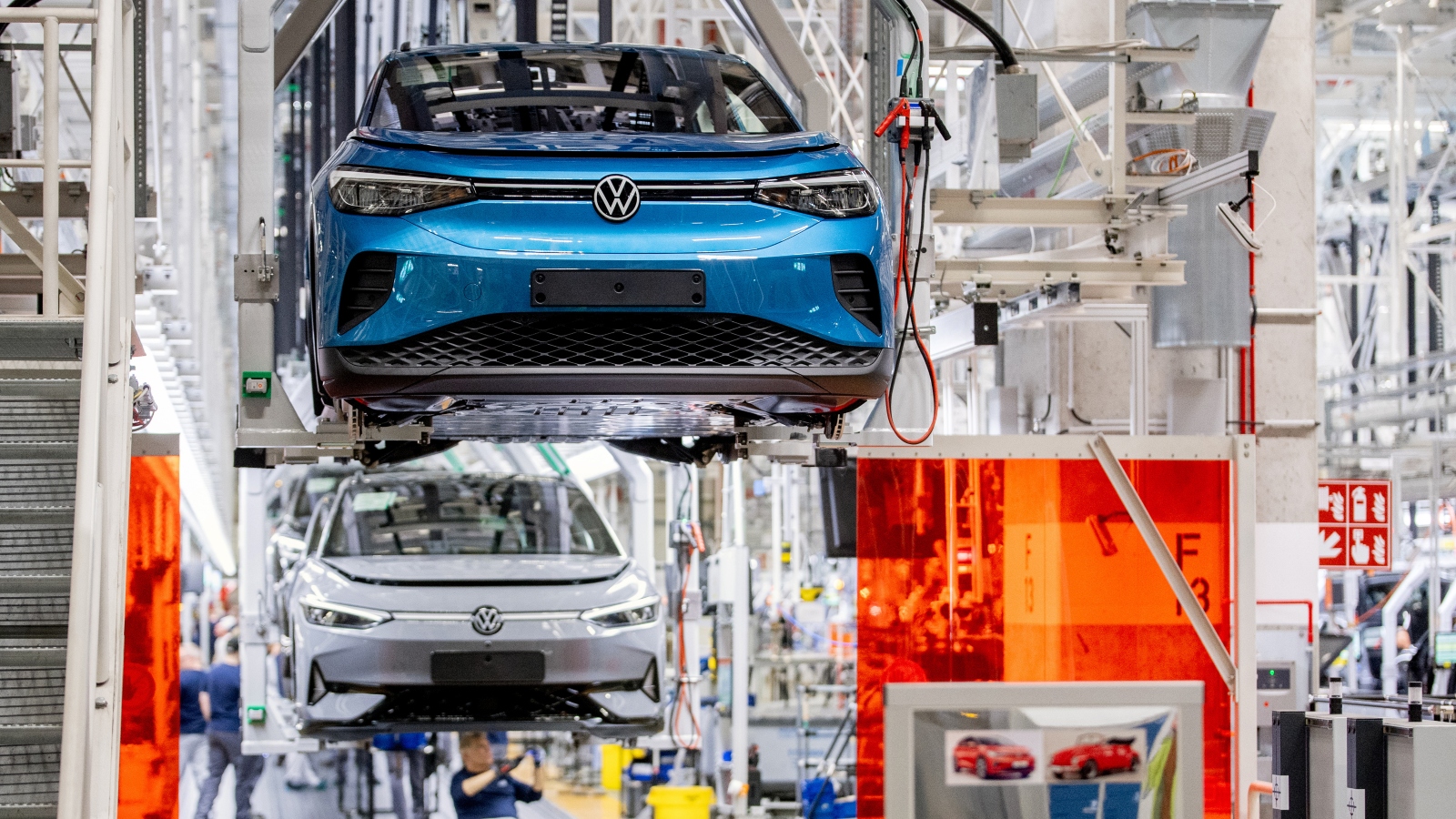
Europe is making bold strides towards energy independence by intensifying its adoption of electric vehicles (EVs). This strategic shift not only positions the continent as a leader in sustainable transportation but also significantly reduces its reliance on oil imports, a critical move amidst global energy transitions.
Europa Olieonafhankelijk Door EV’s: Economic and Environmental Implications
The push for EV adoption in Europe is not just an environmental imperative but also an economic strategy. As countries globally grapple with the volatility of oil markets, Europe’s emphasis on electric mobility emerges as a sound solution to minimize economic vulnerabilities associated with energy dependencies. By embracing EVs, Europe can retain billions of euros in its economy that would otherwise be spent on oil.
Technological Advances and Infrastructure Investments
One of the driving forces behind this transition is the rapid technological advancements in the EV sector. With enhanced battery technologies and increased production efficiency, electric vehicles are becoming more accessible to the average consumer. Furthermore, substantial investments in charging infrastructure are creating a robust network which alleviates one of the major constraints for widespread EV adoption. Innovations such as the power management for electric vehicles illustrate the importance of optimizing charging practices to support this growth.
Impact on Energy Policies and Oil Dependency
Europe’s aggressive turn towards EVs influences its broader energy policy framework. This transition aligns with global efforts to curb carbon emissions while simultaneously decreasing dependencies on oil exporting nations. Additionally, this shift presents a dual opportunity: mitigating climate change impacts while strengthening energy security across the continent.
Many European countries are now revising their policy landscapes to support this transition. Incentives such as tax rebates, grants for EV purchases, and investments in renewable energy sources underscore the region’s commitment to a sustainable future. The growing demand for electric vehicles further emphasizes this decisive movement towards green energy.
The Role of Collaborative Efforts
Collaborative efforts between governments, automakers, and energy providers are further propelling this shift. By fostering partnerships, Europe is setting a precedent for how regional cooperation can accelerate technological adoption and policy implementation effectively. As a result, these collaborative endeavors are not only closing the gap between aspirational goals and practical achievements but also establishing Europe as a global leader in the EV revolution.
In conclusion, Europe’s pivot towards electric vehicles is reshaping the continent’s energy landscape. By reducing reliance on oil and investing in sustainable transportation technologies, Europe is strategically positioning itself at the forefront of the global clean energy movement. The implications of this transition extend beyond immediate environmental benefits to a future of economic resilience and energy independence.
