


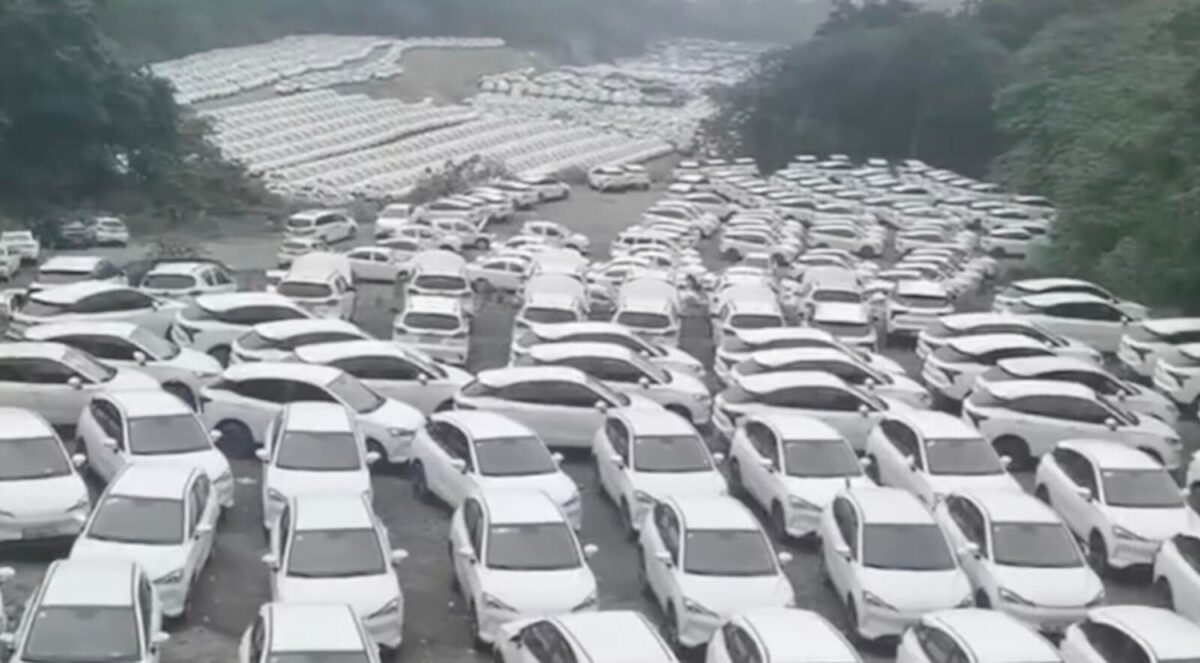
In a surprising twist in the automotive world, the phenomenon of elektrische auto weggooien, or discarding of electric cars, has been gaining traction in China. Within just two years of service, many electric vehicles are finding their way to scrapyards. This trend not only raises questions about sustainability but also highlights the unique challenges faced by the burgeoning electric vehicle market in one of the world’s largest automotive markets.
Reasons Behind Elektrische Auto Weggooien in China
The growing practice of elektrische auto weggooien in China can be attributed to several factors. Primarily, the rapid advancement in technology renders older electric models obsolete much quicker than their gasoline counterparts. Consequently, owners are often tempted to upgrade to newer models rather than sticking with outdated technology.
Technological Obsolescence
In an industry driven by innovation, electric vehicles face unique pressures. The focus keyphrase, elektrische auto weggooien, is partly driven by the rapid pace at which battery technology and autonomy features evolve. As new cars boast longer ranges and more advanced tech, older models quickly diminish in appeal.
Economic Factors
Furthermore, economic incentives play a significant role. The Chinese government, after initially offering substantial subsidies to boost electric car sales, has recently begun phasing them out. This change leaves owners with a financial decision when maintaining older, less efficient vehicles without significant governmental support.
Impacts on the Environment and Economy
The trend of discarding electric vehicles after a short life span has significant implications. While these cars are promoted for their environmentally friendly credentials, the practice of elektrische auto weggooien may undermine such benefits. The disposal process creates waste, and prematurely recycling cars can counteract environmental gains.
- Increased Waste: Early disposal increases the burden on recycling facilities.
- Sustainability Concerns: Balancing technological innovation with sustainability is a growing challenge.
Future Considerations
However, this trend is also a reflection of market maturity. The ability to innovate rapidly is a testament to China’s robust automotive industry. As these patterns emerge, they serve as a crucial learning curve for other markets. Therefore, stakeholders must focus on sustainable practices that address both technological advancement and environmental responsibility.
Ultimately, the practice of elektrische auto weggooien in China is a complex matter that underscores the need for a balanced approach to innovation and sustainability. As the electric vehicle market continues to evolve, maintaining this balance will be key to ensuring environmentally friendly advancements.
