


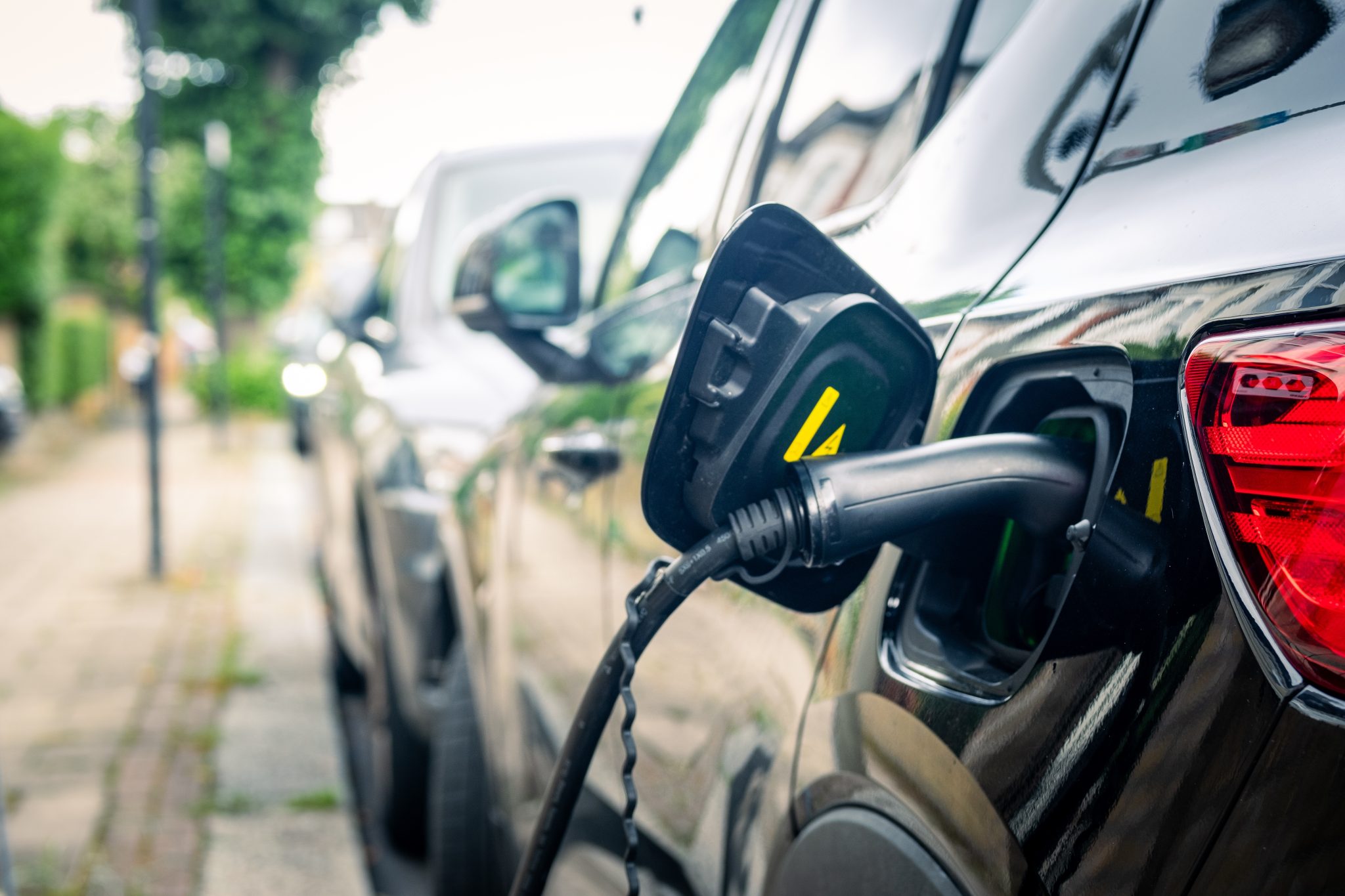
A significant milestone has been achieved as for the first time, 750,000 electric cars now roam the streets of the Netherlands. This noteworthy growth in fully electric vehicles marks a critical shift in the country’s transportation landscape and signifies a strong commitment towards sustainable energy solutions.
The Rise of 750,000 Elektrische Auto’s Nederland
The proliferation of electric vehicles in the Netherlands is not an isolated phenomenon. It reflects broader trends across Europe where environmental concerns have been pushing governments and citizens towards greener transportation options. While fully electric cars have reached the impressive number of 750,000, plug-in hybrids, which offer both fuel and electric driving capabilities, have also climbed to over 600,000 vehicles in the country. However, the adoption of hydrogen-powered cars remains minimal, indicating a clear preference for electric solutions.
Driving Factors Behind the Growth
Several factors have contributed to the impressive rise of electric cars. First, government incentives and favorable policies have played a crucial role. Additionally, increased consumer awareness of environmental issues and the long-term economic benefits of electric vehicles have accelerated transitions to green mobility. Finally, technological advancements and improved infrastructure continue to make electric vehicles more accessible and practical for everyday use.
Implications of the 750,000 Elektrische Auto’s Nederland
The rapid increase of electric vehicles carries significant implications for a variety of sectors. For the energy sector, it means an increased demand for electricity, which prompts further investment in renewable energy sources. Meanwhile, urban planning must also adapt to accommodate the growing need for public charging stations, especially fast-charging options that enhance convenience for electric car owners.
- Reduction in greenhouse gas emissions as more vehicles shift away from fossil fuels.
- Enhanced technological and infrastructural investments driving economic growth.
- Opportunities for businesses in the electric vehicle supply chain and service sectors.
Challenges and Future Outlook
Despite these advances, challenges such as the scarcity of charging stations in certain areas and the high upfront cost of electric vehicles persist. However, ongoing research and development aim to overcome these hurdles, with the potential for even more significant adoption rates in the coming years. As a result, the move towards electric vehicles continues to gain momentum, fostering a more sustainable future.
This remarkable achievement of reaching 750,000 electric vehicles signifies a crucial step in the Netherlands’ journey towards a greener, more sustainable future. Looking forward, the nation stands poised to lead by example, inspiring others to adopt similar clean energy initiatives.
