


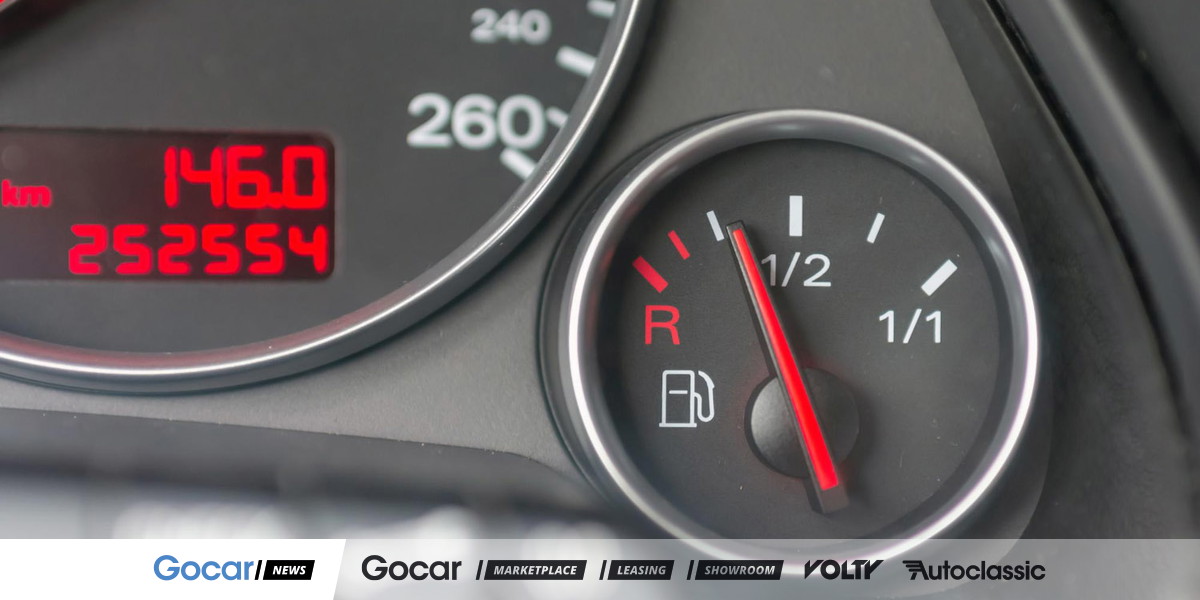
The recent turmoil in Iran has led to rising fuel prices, posing a challenge for many drivers. However, despite the price increase at the pump, Belgium has reported a paradoxical rise in fuel sales. This unexpected shift suggests a potential cost-saving shift towards elektrisch rijden, or electric driving, as a viable solution.
Elektrisch Rijden Kosten Besparen: Understanding the Shift
With the spotlight on fuel consumption, the benefits of elektrisch rijden are becoming increasingly apparent. As fuel prices surge due to geopolitical tensions, more Belgians are considering electric vehicles to cut costs. This trend not only addresses budgetary concerns but also environmental ones, prompting a slow yet notable shift away from traditional fuel reliance.
Why Fuel Sales Have Increased Despite Less Driving
The rise in fuel sales, despite reports of decreased driving in March, can be attributed to several factors. Firstly, panic buying may have contributed as consumers braced for further price hikes. Additionally, the relaxation of certain pandemic-induced restrictions has led to a resurgence of old habits and travel patterns in April.
Evaluating the Benefits of Electric Vehicles
Electric vehicles (EVs) offer a multitude of advantages, particularly in the current economic climate. Their lower running costs and reduced environmental impact make them an appealing option for the cost-conscious and eco-aware consumer. Furthermore, government incentives and expanding charging infrastructure are making the transition to elektrisch rijden more accessible.
- Electric cars have lower maintenance costs since they have fewer moving parts.
- The cost of charging an EV is significantly less than refueling a traditional vehicle. Learn more about the benefits with renteloze lening elektrische auto options.
- Governmental support and incentives further reduce the initial cost of electric vehicles. This shift is akin to the proactive transitions seen with the overstap benzine elektrische auto.
Responding to the Changing Energy Landscape
As we navigate this energy conundrum, governments and individuals are gradually recognizing the long-term cost benefits of electric vehicles. Additionally, this shift could eventually reduce national fuel dependency, leading to broader economic stability.
While the transition to elektrisch rijden is still unfolding, the current scenario serves as a catalyst, propelling the nation towards sustainable transport solutions. The implications of increased EV adoption may pave the way for substantial economic and environmental advancements in the near future.
Ultimately, as Belgium confronts rising fuel prices and evolving energy demands, elektrisch rijden emerges not only as a cost-saving avenue but also as a strategic response to the ongoing challenges of our time.
