


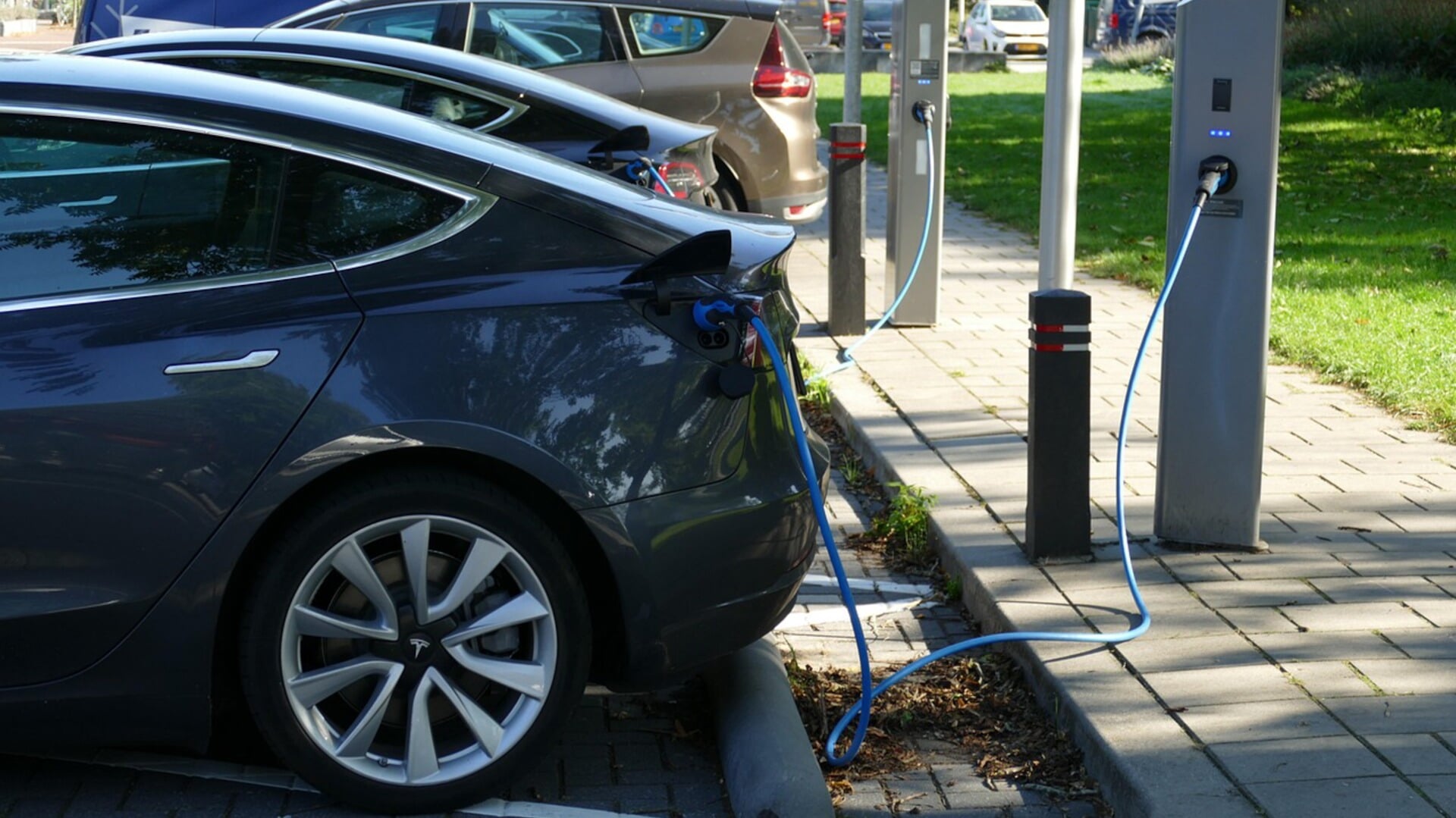
The electric vehicle market is gaining momentum in Sliedrecht, as evidenced by recent statistics showing that 7.9% of the town’s inhabitants are embracing electric cars. This trend highlights the growing shift towards sustainable transportation, which is not only beneficial for the environment but also indicative of broader societal changes. On January 1, 2026, there were 79.2 electric vehicles per 1,000 residents, underscoring the increasing popularity of efficient and eco-friendly travel solutions.
Rise of the Elektrische Auto Sliedrecht
The adoption of electric vehicles in Sliedrecht is a mix of fully electric, hybrid, and plug-in hybrid cars. Specifically, 1.4% of these vehicles are fully electric, while hybrids occupy a 4.4% share and plug-in hybrids account for 2.1%. This diverse embrace of electric vehicle technology signals a local commitment to reducing carbon emissions and capitalizing on the long-term cost benefits of lower fuel dependency.
Key Factors Driving Change
- Environmental Concerns: Increasing awareness of climate change has prompted residents to choose vehicles that contribute to a cleaner environment.
- Technological Advances: Improvements in battery life and charging infrastructure make electric cars more accessible and appealing to consumers. Elektrisch rijden is becoming more popular in the Netherlands.
- Government Incentives: Subsidies and tax breaks for electric cars encourage more people to make the switch.
Elektrische Auto Sliedrecht: Community Response
The Sliedrecht community has reacted positively to these developments. Local businesses and municipal authorities are responding by enhancing charging infrastructure. Additionally, there are talks of expanding electric vehicle incentives to further boost adoption rates. Residents also benefit from quieter streets and a reduction in air pollution, making Sliedrecht a healthier place to live.
Challenges and Future Implications
However, the road to full adoption is not without challenges. Consumers still face higher upfront costs for electric vehicles compared to traditional combustion engines. Meanwhile, efforts are underway to address these challenges through innovations in financing and increased availability of cost-effective models. As a result, the adoption of electric vehicles in Sliedrecht is expected to accelerate, driving even greater environmental benefits and serving as a model for other towns.
In conclusion, the rise of the elektrische auto Sliedrecht points to a future where sustainable practices become the norm. With continuous support from all sectors, the town is poised to lead in electric vehicle integration, paving the way for greener, more sustainable urban living.
