


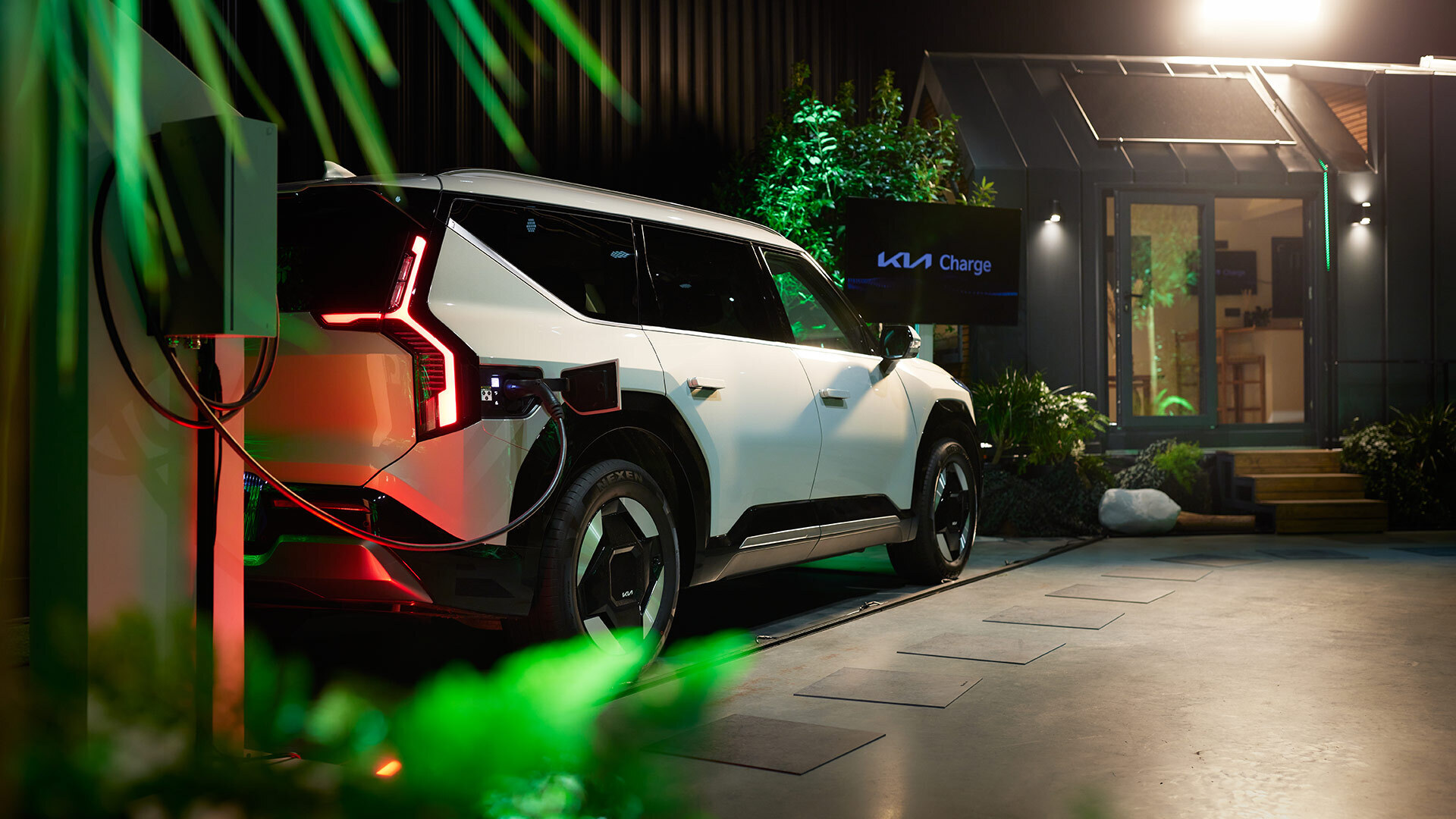
Kia and Hyundai have embarked on an exciting new venture in the Netherlands: a small-scale pilot for using electric vehicles as a home power source. Known as the “auto als thuisaccu” concept, this initiative involves a select group of 80 consumers who will employ their cars as backup home batteries. This groundbreaking project not only highlights the potential of electric vehicles, but also signifies an innovative step towards sustainable energy solutions.
Auto Als Thuisaccu: A Step Towards Energy Efficiency
The pilot allows participating consumers to utilize their vehicles’ batteries as home energy storage systems. This vehicle-to-grid (V2G) technology enables excess energy stored in an electric vehicle to be fed back into the home grid, providing a supplementary power source during peak demand times or outages. This initiative represents a forward-thinking approach in harnessing renewable energy effectively.
Hyundai and Kia’s Commitment to Innovation
With this pilot, Hyundai and Kia demonstrate their commitment to spearheading green technology adoption. This test run forms part of their broader strategy to increase the utility of electric vehicles, bringing tangible value to consumers and expanding the potential uses of electric cars. Moreover, it positions the companies as leaders in the journey towards carbon neutrality. Discover more about their impactful strategies in Kia Tesla Verkooptrends 2026.
Implications for the Future
As the auto als thuisaccu pilot progresses, there are several significant implications to consider. Firstly, if successful, this project could lead to wider implementation across different models and markets, further promoting sustainable energy practices. Additionally, consumers would benefit from reduced electricity bills and enhanced energy security. Finally, this initiative could pave the way for widespread infrastructure improvements to support V2G technology.
In conclusion, Hyundai and Kia’s pilot program in the Netherlands marks a pivotal moment in the evolution of electric vehicles as integral components of a sustainable future. The potential for integrating cars as home power sources could revolutionize not only how we view transportation, but also home energy consumption, paving the way for a greener, more resilient energy ecosystem.
