


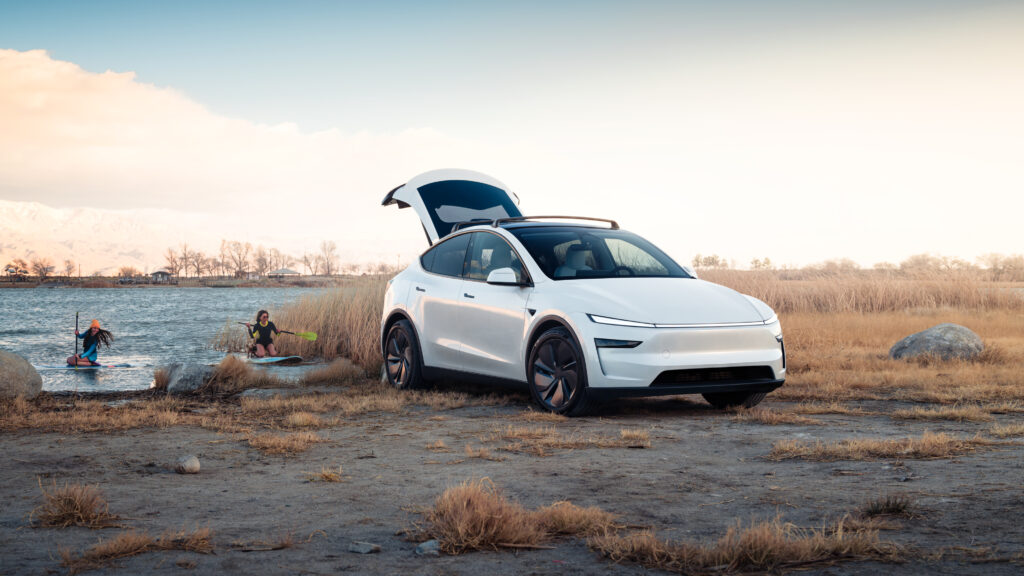
Tesla’s self-driving capabilities in the Netherlands have been available since April, yet they have stirred considerable controversy across Europe. This development matters as it raises questions about the regulatory frameworks surrounding autonomous vehicles on the continent and highlights diverse national responses.
Zelfrijdende Tesla Nederland: Introduction and Concerns
The introduction of Tesla’s self-driving technology in the Netherlands was met with both excitement and apprehension. While the technology promises increased convenience and safety, it also brings to the forefront significant regulatory and ethical considerations. The primary concern revolves around the readiness of European infrastructure to accommodate fully autonomous vehicles and the potential legal ramifications of their use.
Regulatory Challenges and Responses
European countries differ in their approach to regulating self-driving technology, leading to a fragmented regulatory landscape. Some nations have embraced innovation, seeking to lead in autonomous vehicle technology, while others remain cautious, prioritizing safety and legal clarity.
In the Netherlands, Tesla’s self-driving feature aligns with the government’s progressive stance on digital and automotive innovation. However, other nations, emphasizing stringent safety and liability regulations, argue that the technology is not yet foolproof and requires stricter oversight. This disparity in regulatory readiness exemplifies the broader challenges facing autonomous vehicle integration in Europe.
Technical and Ethical Implications
The deployment of zelfrijdende Tesla Nederland has sparked debates over the technical limits of the technology. Critics point out that while autopilot functions can manage highway driving efficiently, urban environments with complex traffic patterns present significant challenges. As a result, the reliability of such systems in diverse real-world conditions is a hot topic.
Ethically, questions about accountability in case of accidents create further complexity. Should manufacturers be held responsible, or do users share in the liability? These issues underscore the need for comprehensive policy frameworks to guide the integration of autonomous vehicles in society.
Meanwhile, consumer confidence in self-driving technology continues to grow, driven by Tesla’s marketing of safety improvements and potential reductions in traffic incidents. However, public opinion remains divided, with many advocating for a cautious approach.
Looking Ahead: The Future of Autonomous Driving in Europe
As discussions continue, the development of regulatory frameworks will play a critical role in shaping the future of self-driving cars in Europe. Stakeholders, including governments, manufacturers, and consumers, must collaborate to address the challenges posed by this transformative technology.
The zelfrijdende Tesla Nederland represents a significant step towards the broader adoption of autonomous vehicles. However, addressing regulatory inconsistencies and ethical dilemmas remains essential to ensuring their successful integration into European society.
