


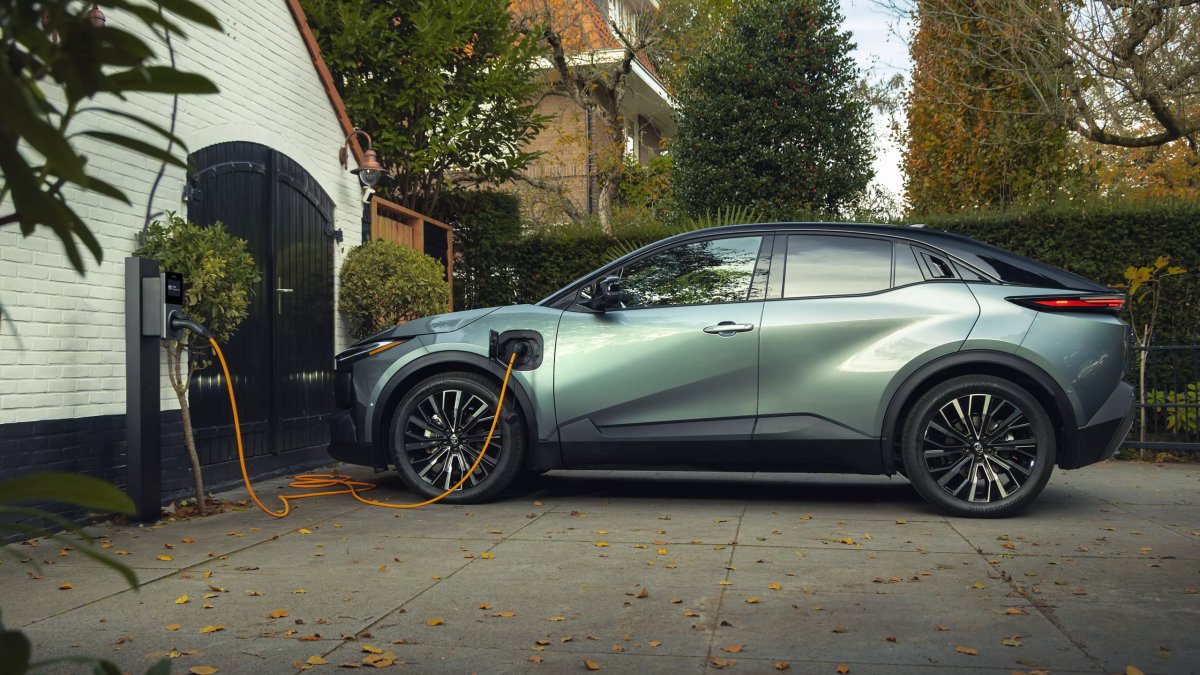
As of July 1, 2026, a new challenge has emerged for electric car owners: the wachtlijst voor thuislaadpaal, or waiting list for home charging stations. With increasing demand, households now face potential delays in accessing upgraded power connections required for efficient electric vehicle charging. This development may significantly impact how owners manage their vehicles’ charging at home.
Understanding the Wachtlijst Voor Thuislaadpaal
The wachtlijst voor thuislaadpaal comes into play as more people transition to electric vehicles amidst a broader push for sustainability. However, the existing power grid infrastructure now struggles to keep pace with this demand. As a result, some household requests for the installation of heavier power connections are being delayed, necessitating the creation of a waiting list.
Why the Waitlist Matters
The development of a wachtlijst voor thuislaadpaal highlights a critical infrastructure issue. As a growing number of households opt for electric vehicles, the demand for electricity naturally increases. Consequently, delays in the installation of enhanced power lines can lead to significant inconvenience. Meanwhile, individuals waiting for a power upgrade face potential range anxiety, especially in areas with limited public charging facilities.
Implications for Electric Vehicle Owners
This waiting list for home charging stations poses several implications for electric vehicle owners:
- Increased Planning: Owners may need to plan their charging schedules more meticulously, potentially using public stations more frequently. Considering the impact of electric vehicles on the environment, effective planning is essential.
- Cost Considerations: Delays in home charging upgrades could lead to higher costs due to the greater reliance on public charging infrastructure.
- Potential Delays: New buyers might face delays before they can conveniently charge their vehicles at home.
As a result, both consumers and government agencies need to work together to address this bottleneck. Additionally, enhancing grid capacity and creating more public charging stations can provide temporary relief.
Responses and Future Actions
The government and utility companies recognize the urgency of resolving the wachtlijst voor thuislaadpaal issue. Efforts are underway to streamline the application process for heavier power connections and expedite infrastructure upgrades. Meanwhile, new policies aim to encourage private investment in grid improvements. Therefore, while challenges remain, solutions are actively being pursued to prevent long-term disruptions.
In conclusion, the introduction of a waiting list for home charging serves as a reminder of the evolving demands on energy infrastructure in the era of electric vehicles. However, it also reinforces the need for strategic planning and investment to ensure a smoother transition to a sustainable future.
