


Recent studies have reignited discussions about the impact van elektrische auto’s op het milieu. These findings are crucial as they provide new insights into how electric vehicles (EVs) stack up against traditional gasoline and diesel cars in terms of environmental friendliness. The study reaffirms that while EVs are generally greener, the degree of their environmental impact hinges on several factors beyond just the vehicle itself.
The Broader Environmental Picture
When considering the broader implications of electric vehicles on the environment, it’s essential to look at their entire life cycle. This includes manufacturing, usage, and eventual disposal stages. While EVs boast zero tailpipe emissions during operation, which is a clear advantage over internal combustion engines, the environmental costs incurred during production and energy sourcing are often contested points.
Manufacturing and Material Sourcing
Producing electric vehicles involves significant emissions, primarily due to battery production. Battery components like lithium, cobalt, and nickel are mined in processes that can be environmentally and ethically challenging. However, advancements in battery technology and recycling efforts are addressing some of these concerns, as companies aim to minimize ecological damage while meeting rising demand.
Energy Source Diversification
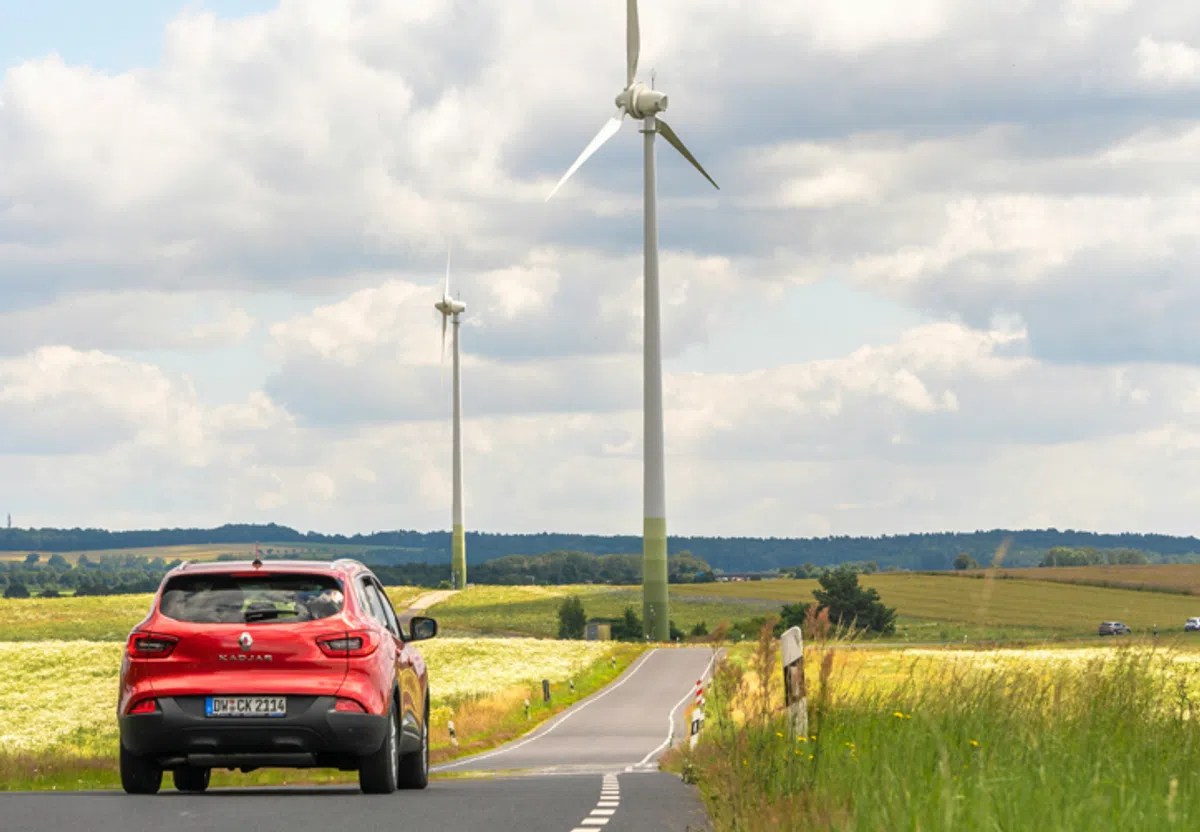
The impact van elektrische auto’s op het milieu is also heavily influenced by the energy sources powering them. Countries that generate substantial electricity from renewable sources see lower overall EV emissions than those relying on fossil fuels. Therefore, diversifying energy sources is critical to maximizing the green potential of EVs. Policies promoting solar, wind, and hydropower integration are thereby crucial in this transition. Efforts similar to the efficient electric concept cars can significantly contribute to this change.
Comparing Electric and Traditional Vehicles
In direct comparison, electric vehicles consistently outperform traditional gasoline and diesel models regarding emissions over their operational lifetime. The absence of tailpipe emissions reduces urban pollution and greenhouse gas emissions significantly. The shift to EVs, particularly in densely populated urban centers, could lead to substantial health and environmental improvements.
Implications for Policy and Practice
The adoption of EVs presents both an opportunity and a challenge for policymakers. Supporting infrastructure development, such as charging stations, along with incentives for renewable energy adoption, can enhance the benefits of electric transportation. Meanwhile, vehicle manufacturers are tasked with innovating cleaner production methods and investing in battery recycling technologies to build a truly sustainable automotive ecosystem.
In conclusion, while electric vehicles are cleaner than their fossil fuel counterparts, realizing their full environmental benefits requires a holistic approach. This includes cleaner energy production, improved manufacturing practices, and enhanced recycling processes, all of which depend on coordinated efforts by governments, industries, and consumers alike. As these elements align, the promise of EVs as an environmentally sound choice becomes increasingly tangible.
