


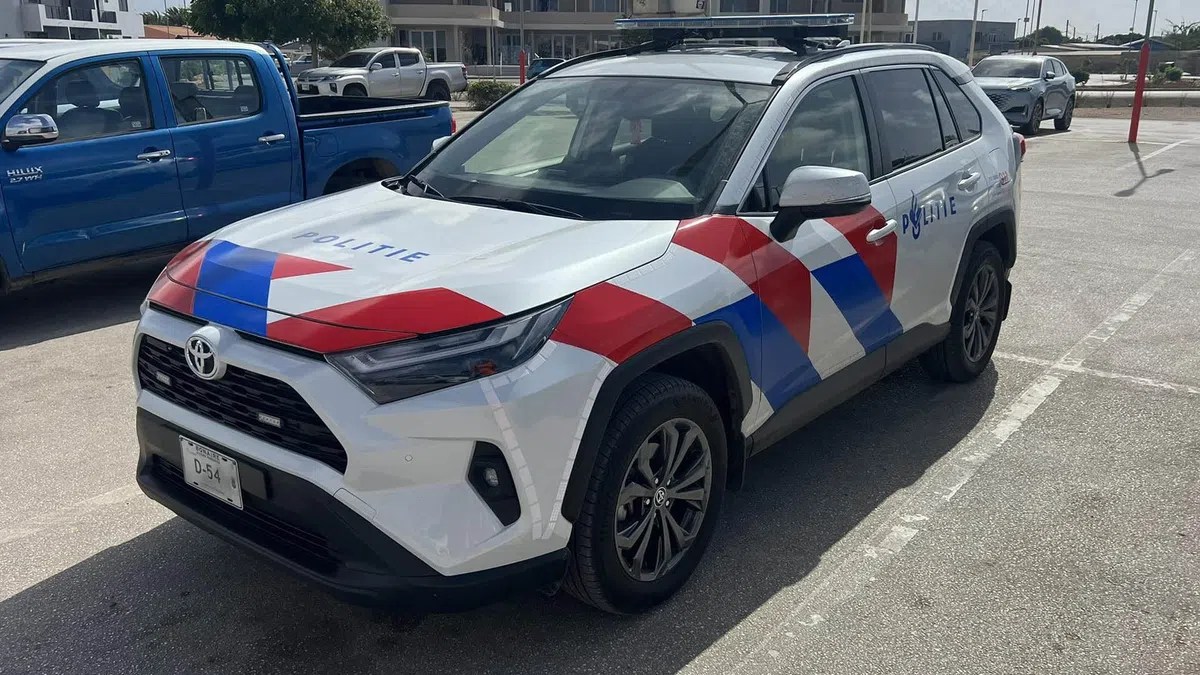
In a surprising twist, the decision by the Dutch police to avoid fully embracing elektrische voertuigen (electric vehicles) has drawn attention. While the shift toward sustainable and eco-friendly transportation gains momentum, certain Dutch police departments continue to opt for conventional vehicles. The rationale behind this choice and its implications can shape future public safety strategies and environmental commitments.
Why No Plug-ins for the Dutch Police?
The decision not to fully adopt elektrische voertuigen for police use isn’t entirely about resisting change. Instead, it involves assessing multiple factors, including performance, logistics, and practicality. Traditional police vehicles are often preferred due to their longer range, reliability, and immediate availability without charging interruptions. These aspects are critical for departments responding to emergencies where time is of the essence.
Challenges of Electrification
Integrating elektrische voertuigen into a police fleet presents several challenges. Firstly, the infrastructure needed to support a fleet of electric vehicles, such as charging stations at police stations, requires significant investment. Additionally, electric vehicles currently on the market may not meet the performance demands that police departments require. Heavy-duty tasks and high-speed pursuits demand a level of stamina and speed that some electric models may not yet offer.
Implications for Future Adoption
The current preference does not imply a total dismissal of future electric integration. On the contrary, police departments are keenly watching advancements in electric vehicle technology. As battery life improves and charging times decrease, the potential for electric vehicles to replace traditional models becomes more feasible. Furthermore, as public and governmental pressure mounts for sustainable practices, more departments may gradually shift policies favoring electrics.
- Performance and immediate response capabilities remain key priorities.
- Infrastructure expansion is a potential hurdle for widespread adoption.
- Future innovations may align electric vehicles with law enforcement needs.
Meanwhile, as police departments continue to evaluate the best fit for their operational needs, the discussion around politie elektrische voertuigen continues to evolve. The balance between ecological responsibility and ensuring public safety remains a critical conversation in law enforcement strategy. Ultimately, whether through innovation or adaptation, the future of police transportation might indeed be electric. As technology advances, however, the debate will undoubtedly continue, shaping the landscape of modern policing.
