


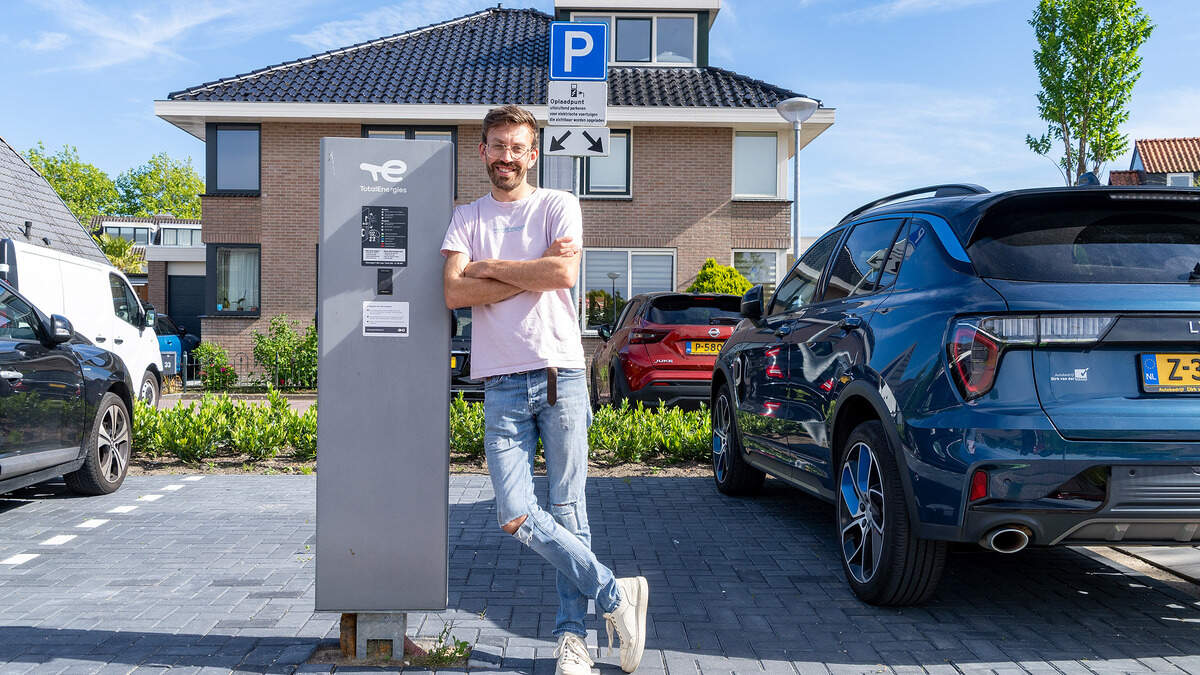
In a small Dutch village, the lack of functioning public charging stations has left Martijn and many electric vehicle owners in a bind. Due to the single public charging pole in his town being out of service for several months, Martijn finds himself frequently driving to the nearest fast charger with his two-year-old son. This issue underscores a critical gap in the infrastructure needed for electric vehicles, raising broader questions about the readiness of such facilities for the increasing number of EVs on the road.
Impact of Gebrek Werkende Laadpalen
The shortage of working charging stations is not just an inconvenience for Martijn. It is a problem that reverberates through the community, affecting daily routines and potentially stalling the transition to cleaner energy vehicles. Electric vehicle users are now forced to plan their days around finding an available and functioning charger. As a result, the anticipated convenience and eco-friendliness of EVs feel like a distant promise for many residents.
Community Responses to Charging Shortages
The local government’s response has been slow, leaving residents to devise their own solutions. Martijn is not alone in this dilemma; others have started discussing carpooling and longer-term planning to mitigate these challenges. Additionally, advocacy for more robust infrastructure has grown stronger within the community, prompting petitions and public meetings to address these issues.
Broader Implications of Inadequate Infrastructure
This local bottleneck mirrors national and even global discussions about infrastructure readiness for the electric vehicle boom. As electric vehicles continue to gain popularity, the demand for reliable and widespread charging options becomes even more critical. Without such infrastructure, the shift towards sustainable transport solutions risks losing momentum. Learn more about the challenges with afgedankte elektrische auto accu’s in the future and see how other regions are tackling these crucial issues.
For Martijn and his village, the hope is that highlighting these gaps will spur necessary changes. As more people recognize the pressing need for functional charging stations, the chances increase that local and national authorities will prioritize these improvements. Meanwhile, residents like Martijn must continue to adapt, keenly aware of the challenges and opportunities that await in the journey ahead.
