


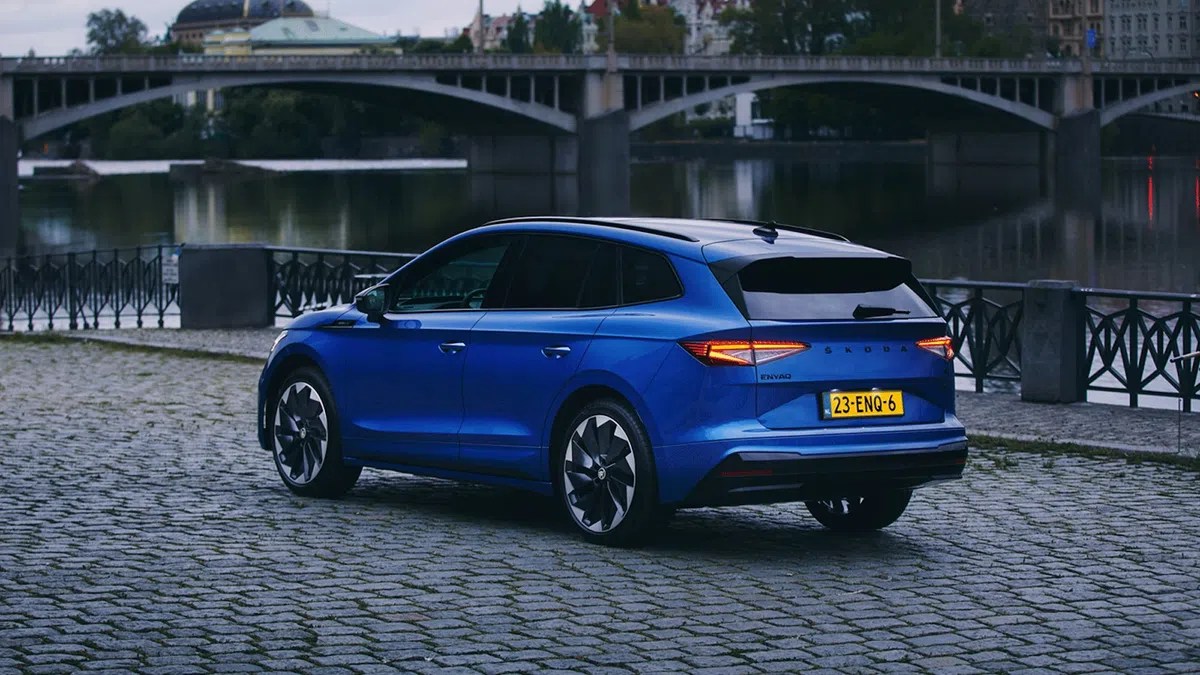
In a strategic move aimed at boosting the adoption of eco-friendly vehicles, the Dutch government has reinstated the subsidy for tweedehands elektrische auto’s in the Netherlands. This decision is part of a broader effort to make electric vehicles (EVs) more accessible and affordable, encouraging more citizens to transition to sustainable transportation options.
The New Tweedehands Elektrische Subsidie Initiative
The re-introduction of the subsidy for second-hand electric vehicles is tailored to address previous shortcomings in similar initiatives. The government recognized the growing demand for electric vehicles and decided to focus its efforts on making pre-owned models more financially attractive. This aligns with other subsidy initiatives like the subsidy for electric car transition.
Understanding the Subsidy Changes
The key elements of the revised subsidy include a streamlined application process and increased fiscal incentives for those opting for tweedehands elektrische auto’s. As a result, this could significantly reduce the upfront costs associated with purchasing second-hand EVs.
Impact on the Dutch Market
This subsidy program is expected to have a profound impact on the Dutch automotive market. Firstly, it could lead to a rise in the resale value of used EVs, as lower acquisition costs make these vehicles more appealing to buyers. Additionally, it could help to accelerate the transition to low-emission vehicles nationwide.
Tweedehands Elektrische Subsidie in Context
The reinstatement of the subsidy aligns with global trends towards sustainable mobility. Many countries are doubling down on incentives for electric vehicles as they strive to meet climate goals. For the Netherlands, this step signals a commitment to reducing carbon emissions while promoting green technology.
Consequently, potential EV buyers, particularly those looking for budget-friendly options, stand to benefit substantially. The subsidy not only makes electric vehicles more affordable but also supports the broader environmental push for reduced fossil fuel dependency.
Overall, the government’s proactive approach towards promoting tweedehands elektrische auto’s reflects a forward-thinking strategy. As this measure takes effect, it could catalyze a significant shift in consumer behavior, fostering a cleaner and more sustainable automotive landscape in the Netherlands.
