


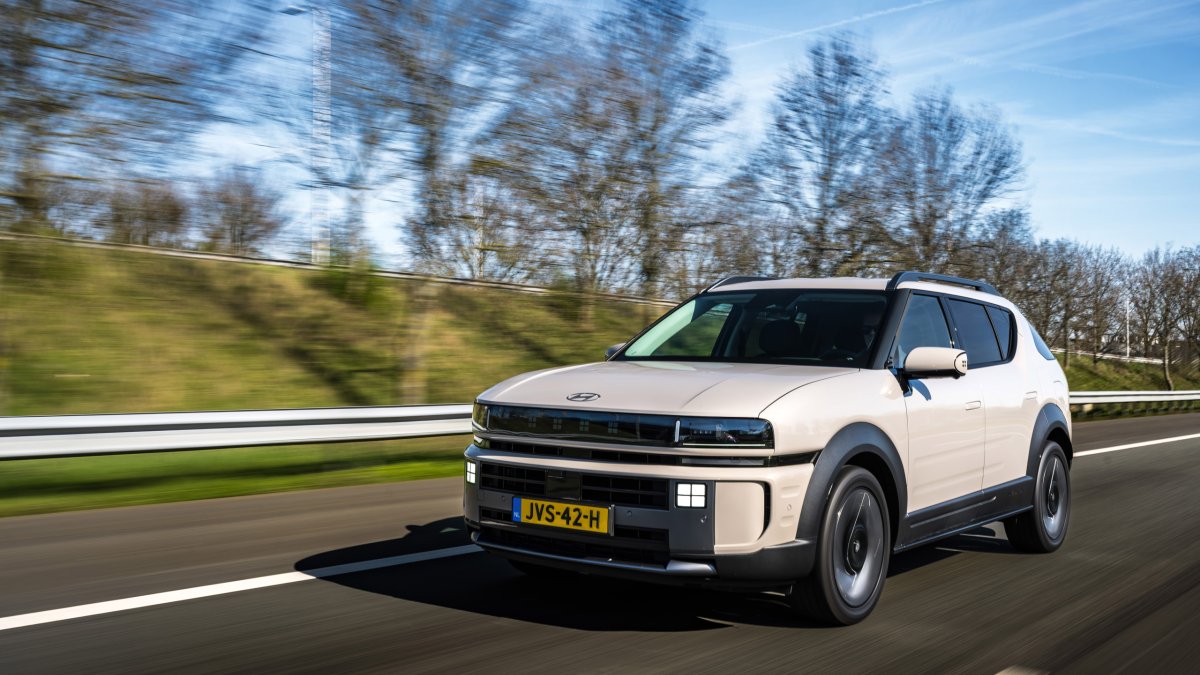
The Hyundai Nexo, a striking waterstofauto, is grabbing attention for its unique energy source. Unlike conventional cars relying on petrol or electric charging, Hyundai’s cutting-edge vehicle operates on hydrogen power, marking a significant milestone in sustainable automotive technology. Yet, despite its advantages, the Nexo remains a rare sight on roads. This article delves into why.
Understanding the Hyundai Nexo: A True Waterstofauto
The Hyundai Nexo stands out not just for its sleek design but for its innovative fuel source. As a waterstofauto, it draws energy from a hydrogen fuel cell, which produces electricity by combining hydrogen with oxygen. This process results in zero emissions, with water being the only byproduct. Consequently, the Nexo represents a cleaner alternative in the global move towards reducing carbon footprints.
The Challenges Facing the Hyundai Nexo
Despite its advantages, several challenges hinder the widespread adoption of the Hyundai Nexo. Firstly, the infrastructure for hydrogen refueling stations is significantly underdeveloped compared to traditional fueling options. This limitation poses a practical challenge for potential buyers. Additionally, problems such as the limited charging infrastructure are not unique to hydrogen but also reflect broader automotive challenges. Furthermore, the production costs of hydrogen vehicles are still relatively high, which affects the price point and accessibility for consumers.
Market Implications and Industry Responses
The limited availability and high cost of the Nexo cannot be ignored by the automotive industry. Automakers are investing in research and development to make hydrogen cars more accessible, while governments are exploring subsidies and infrastructure investments to support this transition. Additionally, the industry is closely observing consumer responses to these innovative vehicles.
The Hyundai Nexo signifies a bold step forward in sustainable transportation, highlighting both the potential and the hurdles of adopting hydrogen technology. Its development and integration might challenge traditional automotive norms, but the push towards eco-friendly solutions remains strong. As infrastructure improves and prices potentially decrease, the future may see more of these zeldzame waterstofauto’s lighting up our streets embracing sustainability.
